

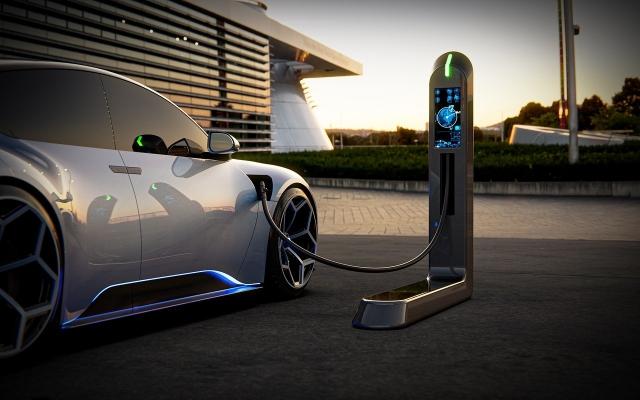
As the adoption of electric vehicles (EVs) continues to accelerate, building a robust EV charging infrastructure has become a cornerstone of sustainable mobility. The right infrastructure not only supports the growth of EVs but also contributes to reducing carbon emissions and promoting cleaner energy solutions.
What is EV Charging Infrastructure?
The Basics of EV Charging
Electric vehicle charging infrastructure consists of networks of charging stations designed to provide energy for EV batteries. These stations can vary in speed, functionality, and installation environment, ensuring users have convenient access to charging facilities, whether at home, work, or public areas.
Key Components of an EV Charging System
Charging Stations
These include Level 1 (slow), Level 2 (faster), and DC fast chargers that cater to different charging needs and vehicle requirements.
Power Management Systems
Efficient systems to manage power delivery, ensuring optimal performance without overloading the grid.
Connectivity Features
Smart chargers often include software integration for real-time monitoring, user authentication, and payment processing.
Why is EV Charging Infrastructure Important?
Supporting the EV Revolution
Enhancing Accessibility
An extensive charging network reduces range anxiety, encouraging more people to switch to electric vehicles.
Reducing Environmental Impact
EV infrastructure supports the shift from fossil fuels to renewable energy sources, aligning with global sustainability goals.
Boosting Economic Growth
Expanding the EV ecosystem creates jobs and fosters innovation in clean technology sectors.
Types of EV Charging Infrastructure
Home Charging Solutions
Convenient and Cost-Effective
Home chargers offer ease of use and lower costs, making them ideal for daily charging needs.
Public Charging Networks
Accessibility on the Go
Public charging stations in urban areas, highways, and commercial hubs cater to EV users on longer journeys.
Workplace Charging
Encouraging Green Commutes
Employers installing EV chargers promote sustainable practices among employees while adding value to their premises.
Challenges in Building EV Charging Infrastructure
High Initial Investment
The upfront costs of setting up charging stations, particularly DC fast chargers, can be significant.
Grid Integration Issues
Scaling infrastructure requires careful planning to avoid grid overloads and ensure renewable energy integration.
User Awareness
Promoting the benefits of EV charging and educating users on optimal practices is key to widespread adoption.
The Role of Portlandia Electric Supply in EV Charging
Portlandia Electric Supply is at the forefront of delivering innovative EV charging solutions. From high-quality charging stations to advanced energy management systems, their products are designed to meet the demands of an evolving EV landscape.
Visit their EV Charging Infrastructure page to explore top-notch solutions tailored for your needs.
Conclusion
Building a robust EV charging infrastructure is essential to powering the future of transportation. Whether you're an individual, business, or policymaker, investing in EV charging solutions contributes to a cleaner, greener planet.